You might be thinking that your GCSE exams are an age away, but this time next year you will be opening your mock results, just like the current year 11s have done this week. You need to start planning for revision NOW, but where do you start? Throughout the year I’ll give you more ideas about what you could be doing to push yourself past your predicted grade, but for now, here are some ideas to get you started:
- Taking notes in lessons – without notes, what will you revise from? You will be provided with some handouts along the way, but try to translate what you’ve learnt from these and in lesson into a language you can understand. This is a skill that needs to be practised, the more you do it the better your notes will be and the easier revision will be.
- Organise your work into folders/books for each topic – If everything is kept in order over the next two years, you’ll know where everything is when it comes to revising. It’s so important that you bring your workbooks with you to every lesson so that your work is kept together. If you would like a folder to keep worksheets in, then ask Mrs G next lesson.
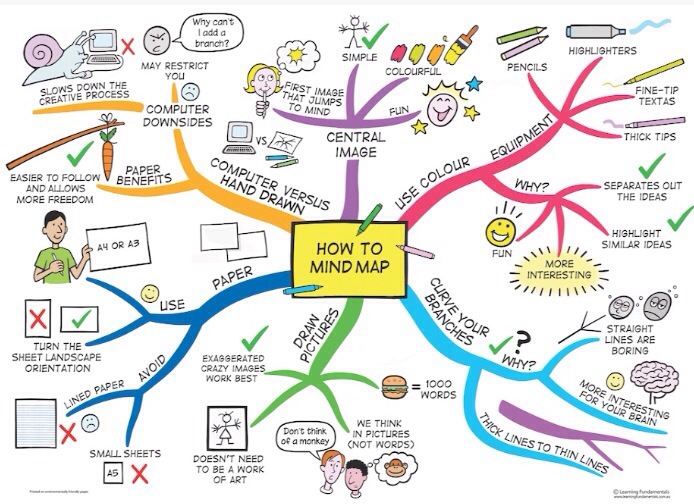
- Create revision aids as you go – For each topic, create different types of revision aid. You won’t know which revision aids work for you until you’ve tried them, so don’t leave them until the last minute, experiment now! There are lots of ideas on the internet, but start by trying things like spider diagrams, flash cards/post it notes, creating a game like Blockbusters to test each other, mneumonics or tables and charts. You could start by making one now for Germany under the Kaiser. If you make it now, then next year when you are panicing about how you’re going to fit all your revision in, you’ll already have the aids ready to go!!

- Make use of the internet – the internet is an amazing resource for learning! There are so many revision videos on YouTube that you could use to refresh your memory on different topics, or you could even take a look at BBC Bitesize (which I remember using when I sat my own GCSEs). If you need some advice on where too look then feel free to ask, but here are some links to what you’ve already been studying:
Kaiser vs Weimar – http://www.bbc.co.uk/schools/gcsebitesize/history/tch_wjec/germany19291947/introduction2.shtml
The Munich Putsch –
- Find a revision buddy – Find a friend who is willing to revise with you. Your buddy doesn’t even have to study History, it just needs to be someone willing to test you (ie using your flash cards) and perhaps you could return the favour and help them in another subject too. If you can’t find anyone willing to help, then feel free to drop into Mrs G’s Wednesday drop-in sessions.
- Treat yourself – Studying doesn’t have to be all doom and gloom! Have you thought about buying a book or watching a film that relates to what you’re studying? There are plenty of books, TV programmes and films based on historical events that are sure to get you interested in what you’re studying. Here are some ideas of books and films that are based on Nazi Germany:
The Boy in the Striped Pyjamas, The Book Thief and Anne Frank’s Diary of a Young Girl


You do not need to start with all of these suggestions, just take them one at a time and get used to revising sooner rather than later so that you can feel confident about achieving your best.
 Mrs G's help with homework, revision and more